Apple’s fight with Brussels is far from over. As of January 2026, the company scrapped its controversial per-install fee and rolled out a new 5% Core Technology Commission across every EU distribution channel — yet developers insist Apple is still skirting the Digital Markets Act. The result is a regulatory standoff with no end in sight.
The new fee structure
The old €0.50 per-install Core Technology Fee is gone. In its place is a 5% Core Technology Commission on digital goods and services revenue, now applied across all EU distribution paths — the App Store, web distribution, and alternative app marketplaces. Apple frames the change as compliance; critics see it as the company finding a new way to extract a cut no matter how developers reach EU users.
What the DMA demands
The Digital Markets Act forces Apple to open up iOS in ways it long resisted. The rules require Apple to allow sideloading, rival app marketplaces and alternative payment systems — even when those channels do not meet the App Store’s privacy and security standards. The law’s goal is to break Apple’s gatekeeper grip and give developers and users genuine choice on Apple’s own devices.
Developers cry foul
Many developers are unconvinced. They argue that Apple’s evolving fees and terms preserve its revenue and control while only nominally complying — pointing to commissions that still apply outside the App Store and terms they say add friction to alternatives. Reports of complaints that Apple continues to flout the DMA have persisted for months, keeping regulators’ attention fixed on Cupertino.
Apple’s privacy defense
Apple pushes back hard, casting the DMA as a threat to user safety. The company argues that forcing it to permit sideloading and alternative marketplaces undermines the privacy and security protections that define the iPhone experience, exposing EU users to risks that customers elsewhere avoid. It is a framing that pits regulatory openness against Apple’s curated walled garden.
Why it matters
This is a defining test of whether regulators can truly pry open a dominant platform. The DMA is the most aggressive attempt yet to rein in Big Tech gatekeepers, and Apple’s response is being watched globally as a template — by other regulators weighing similar laws and by developers worldwide who chafe at app-store economics. How it resolves will shape the balance of power between platforms and the businesses built on them.
The bottom line
Apple’s switch to a 5% Core Technology Commission shows the company adapting to the DMA while fighting to protect its model — and developers say it is not enough. With Brussels still scrutinizing and complaints still mounting, the App Store wars in Europe are entering a tense new chapter, with the rules of the mobile economy hanging in the balance.
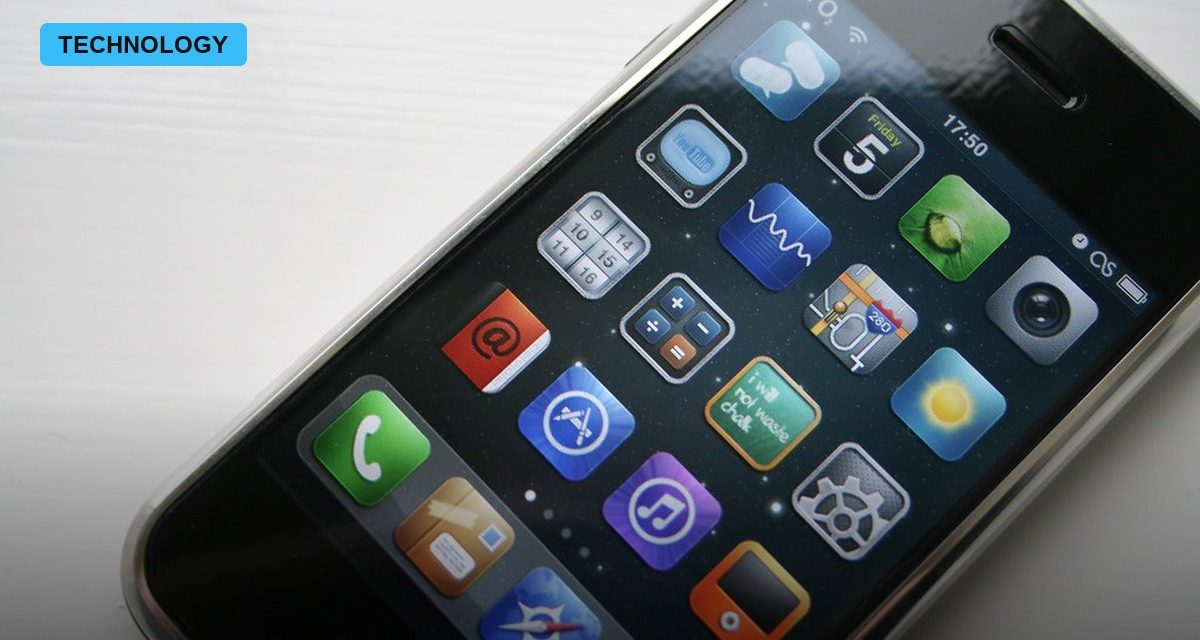
Photo: William Hook / BY-SA via flickr