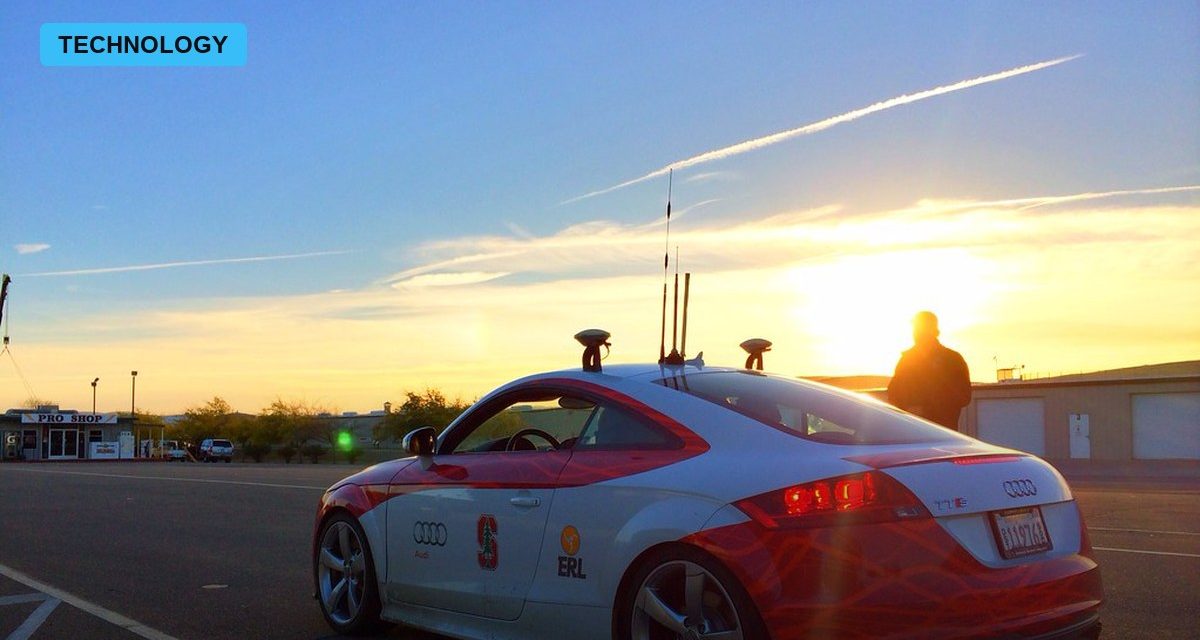
The driverless future is arriving on city streets. 2026 is shaping up as the year of the robotaxi, with Tesla and Waymo racing to expand autonomous ride-hailing across dozens of markets. After years of hype, self-driving taxis are scaling fast — reshaping urban transport, challenging ride-hailing incumbents and setting up a high-stakes battle between two very different approaches to autonomy.
Tesla floors it
Tesla is expanding aggressively. After launching its robotaxi service in Austin in 2025, the company is estimated to enter as many as 30 U.S. markets by the end of 2026. It has begun offering rides without in-car safety monitors in some cases, deploying trailing vehicles instead — a sign of growing, if contested, confidence in its system.
Waymo’s proven lead
Waymo brings a track record. The Alphabet unit completed 14 million fully driverless trips in 2025, generating over $286 million in revenue at an average fare around $20. Waymo is expanding into as many as 20 markets in 2026 and plans to launch in London — underscoring its position as the established leader.
Two roads to autonomy
The rivals differ sharply. Waymo relies on a sensor-heavy approach with lidar and detailed mapping, while Tesla bets on a camera-based, AI-driven system it argues can scale more cheaply. The contrast in philosophy will shape costs, safety and how quickly each can expand — a defining tension in the industry.
A booming market
The prize is enormous. The global robotaxi market, valued around $789 million in 2024, is projected to reach nearly $97 billion by 2032. That explosive growth potential is fueling intense investment and competition, as companies race to capture an industry that could transform mobility.
The skeptics
Doubts persist. Critics question the readiness and safety of some rollouts, and the removal of safety monitors has drawn scrutiny. Scaling autonomy safely across varied cities and conditions remains a formidable challenge, and missteps could invite regulation and erode public trust.
Why it matters
Robotaxis could reshape cities and jobs. Widespread driverless ride-hailing promises cheaper, more convenient transport but threatens to disrupt millions of driving jobs and reshape urban planning. How the technology scales — and how safely — carries profound implications for daily life and the economy.
The bottom line
2026 is becoming the year of the robotaxi, as Tesla races into 30 markets and Waymo expands its proven lead toward 20 cities and London. With a market projected near $97 billion and two rival approaches competing, driverless taxis are scaling fast. The autonomous future is no longer hypothetical — it is hailing a ride.