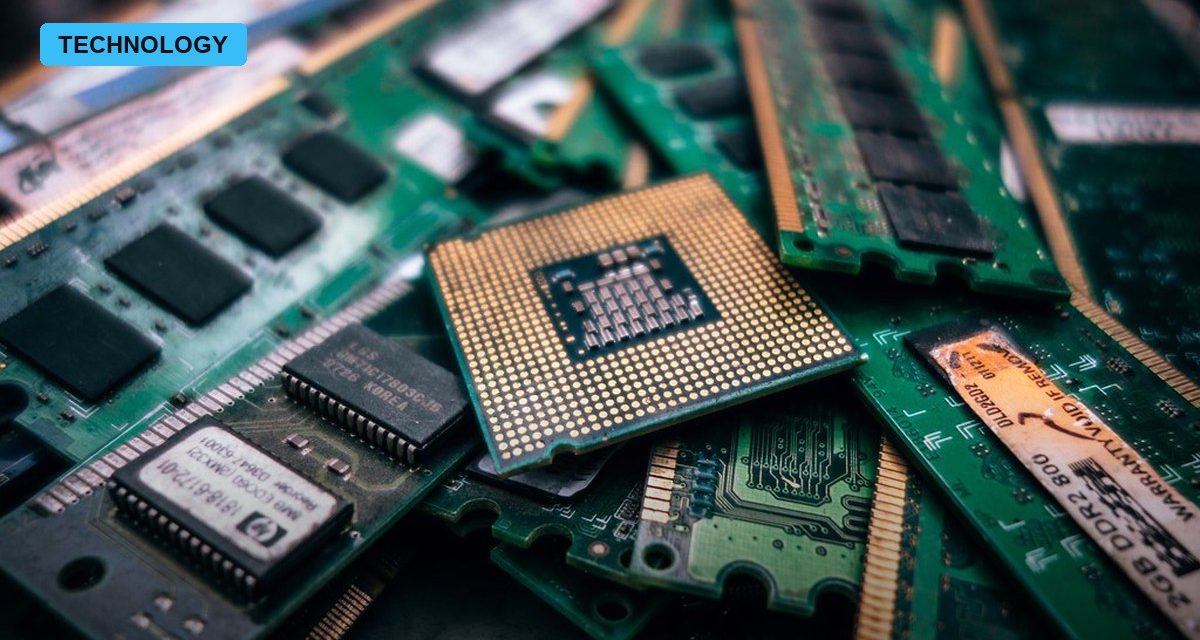
The relationship between Washington and America’s chip champions just took an extraordinary turn. Under a novel agreement, the U.S. government will grant Nvidia the export licenses it needs to sell AI chips in China — in exchange for a 15% cut of the revenue those sales generate. It is a deal without real precedent, blurring the line between trade policy and revenue-sharing.
How the deal works
President Trump confirmed the arrangement: Nvidia and AMD get licenses to resume China sales of specific chips, and the government takes 15% of the proceeds. Trump initially pushed for 20%; Nvidia CEO Jensen Huang negotiated it down to 15%. The chip at the center is Nvidia’s H20 — a product designed specifically for China that is deliberately less powerful than its top-end GPUs.
A sharp policy reversal
This undoes a ban imposed just months earlier. In April, the administration abruptly began requiring licenses to export the H20, curbing roughly $2.5 billion in China revenue in a single quarter. The new deal reopens the door — for a price — swapping an outright block for a cut of the action.
The numbers
The stakes are large. Analysts project Nvidia could recoup around $15 billion in lost sales in the second half of the year, pushing its China revenue toward $20 billion for the fiscal year ending in January. At 15%, that could hand the U.S. government roughly $3 billion from Nvidia alone.
The controversy
The arrangement raises thorny questions. Critics see a government monetizing export controls that are supposed to be about national security, not revenue — if a chip is safe enough to sell for a cut, why was it banned, and if it’s a genuine security risk, why sell it at all? Supporters counter that it keeps American firms dominant in China while funneling money home. Either way, it sets a striking new template.
Why it matters
Chips are the contested high ground of U.S.-China competition, and this deal rewrites the rules of engagement. Tying export permission to a revenue share injects a commercial logic into national-security policy that could reshape how Washington governs strategic technology — and how much leverage it extracts from the companies that make it.
The bottom line
Nvidia and AMD have won back access to China’s vast chip market, but at the cost of handing the U.S. government 15% of the revenue. It’s a first-of-its-kind deal that reopens billions in sales while raising hard questions about mixing security controls with a government cut of the profits.
Photo: Homedust / BY via flickr