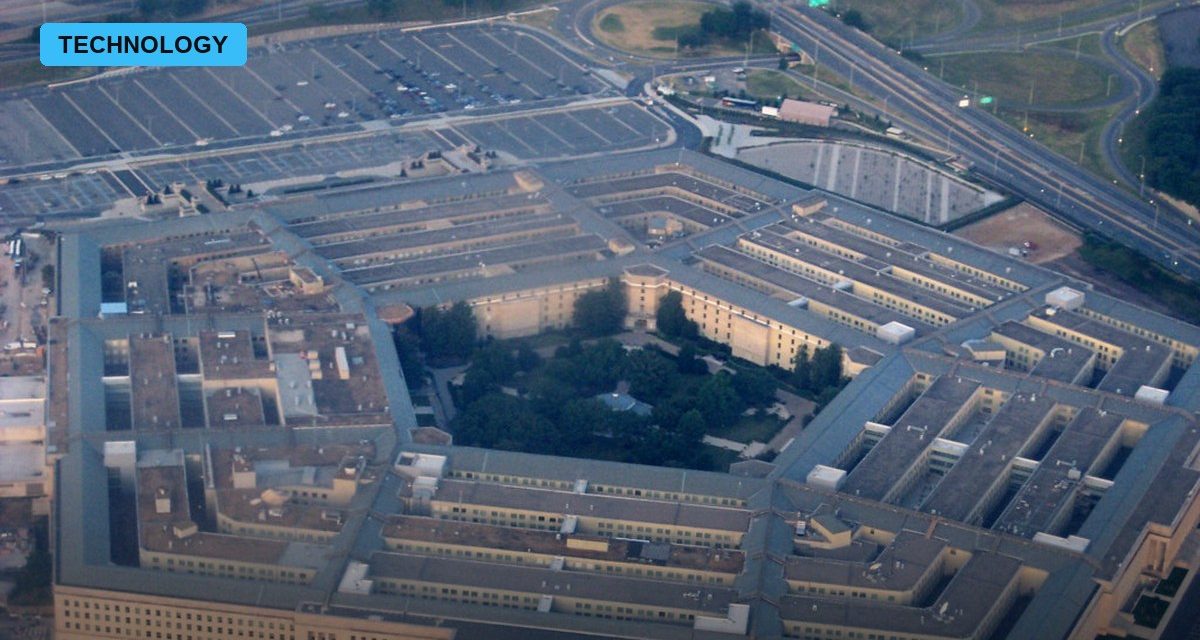
The biggest names in AI are heading to the front lines of national defense. The Pentagon has announced a sweeping set of deals with OpenAI, Google, Microsoft, Amazon, Nvidia and others to deploy large language models on classified defense networks for what officials call lawful operational use. The agreements mark a decisive step in fusing frontier AI with military operations — and raise sharp questions about oversight, safety and the role of Big Tech in war.
The deals
The roster reads like a who’s-who of AI. The Pentagon signed agreements with OpenAI, Google, Microsoft, Amazon and Nvidia, among others, to bring their models and infrastructure into defense systems. The breadth of the partnerships signals that the military sees commercial frontier AI — not just bespoke defense tech — as central to its future capabilities.
Onto classified networks
This is not a pilot in a sandbox. The plan calls for deploying large language models directly on classified Department of War networks for operational use. Moving frontier models into secret, high-stakes environments represents a major escalation in how AI is woven into defense, far beyond back-office or analytical roles.
A shifting posture in Washington
Government appetite for AI is growing fast. The deals come amid a wave of federal AI activity — the government has handed xAI a sweeping federal contract, and Congress has floated a 269-page AI bill that could override state laws. The Pentagon agreements fit a broader push to embed AI across the government and treat it as a strategic priority.
Big Tech’s balancing act
The companies face a delicate line. Google signed the classified Pentagon deal even as it exited a $100 million drone-swarm program, illustrating how firms are picking which military work aligns with their values and risk tolerance. The arrangements force AI giants to weigh lucrative government contracts against employee concerns and ethical scrutiny.
The risks
Frontier AI in defense cuts both ways. Proponents argue it sharpens decision-making and keeps the country competitive; critics warn about reliability, hallucination, escalation risk and accountability when AI informs military action. Deploying models that can err in high-stakes settings demands guardrails that are still being defined.
Why it matters
This is a turning point for AI and the state. The deals cement frontier AI as a pillar of national security and deepen the ties between Silicon Valley and the military. How these systems are governed — and how much autonomy they are given — will shape not just defense, but the broader debate over AI’s role in society.
The bottom line
The Pentagon’s AI deals with OpenAI, Google, Microsoft, Amazon and Nvidia bring frontier models onto classified defense networks, marking a major fusion of Big Tech and the military. The move underscores AI’s strategic weight and the government’s growing embrace of it — while raising urgent questions about safety, oversight and accountability. AI has officially gone to war.