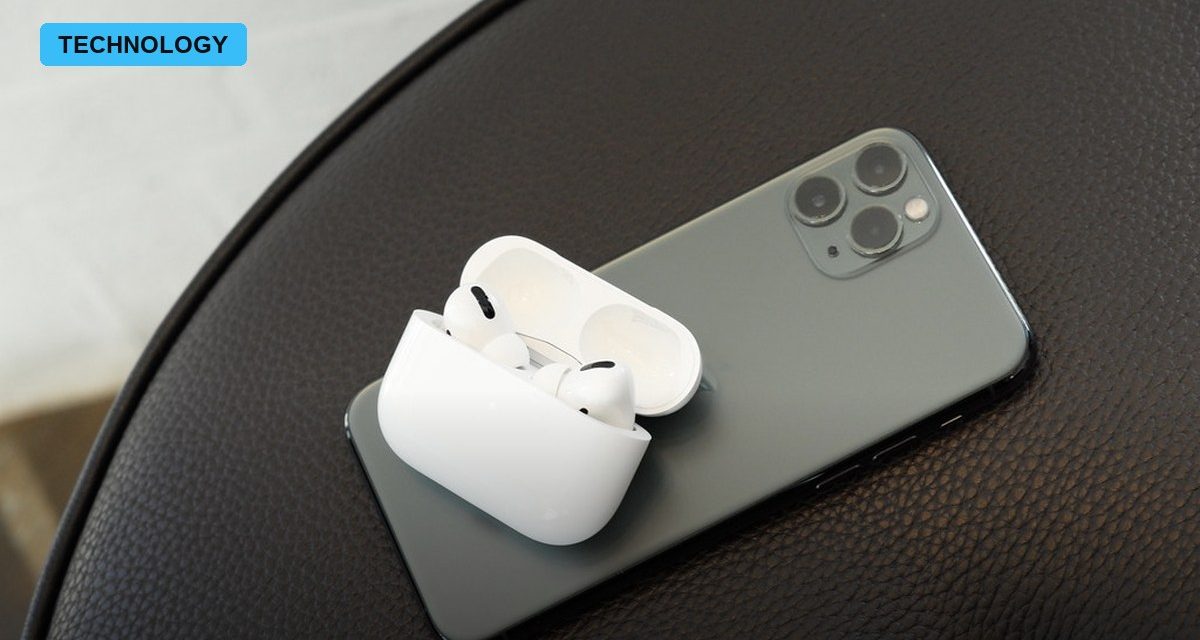
Apple just made a big bet on how we’ll talk to our devices — silently. The company acquired Israeli startup Q.ai for a reported $1.6-2 billion, gaining more than 100 patents in ‘silent speech’ technology. The deal aims to supercharge Siri, AirPods, Vision Pro and future hardware, and signals where Apple thinks the next human-computer interface is headed.
The acquisition
The price reflects ambition. Apple paid an estimated $1.6-2 billion for Q.ai, a notable sum for the famously acquisitive-but-disciplined company, and inherited a deep patent portfolio centered on silent speech. By buying rather than building, Apple instantly acquires expertise and IP in a frontier interface technology — a classic Apple move to leap ahead on a capability it sees as strategic.
What ‘silent speech’ means
It is exactly what it sounds like. Silent speech technology lets users communicate with devices without speaking aloud — detecting subvocal or near-silent cues to interpret intended words. For a world of earbuds and headsets, that could mean controlling Siri or dictating messages discreetly in public, without disturbing others or being overheard. It is a fundamentally new way to interact, beyond voice and touch.
Why it fits Apple’s hardware
The technology maps directly onto Apple’s roadmap. AirPods, Vision Pro and future wearables are built for hands-free, on-the-go interaction, and silent speech could make them far more useful in everyday settings where talking to a device is awkward. Integrated with a smarter Siri, it points toward an ambient, discreet computing experience — exactly the kind of seamless interface Apple prizes.
The strategic context
Apple is racing to catch up in AI. After lagging rivals on raw model power, the company has leaned on partnerships and acquisitions to bolster its AI and interface capabilities. Q.ai adds a differentiated hardware-interface edge that plays to Apple’s strengths in devices and integration, rather than competing head-on in large language models. It is Apple fighting the AI battle on its own terrain.
The challenges
Frontier interfaces are hard to ship. Silent speech must be accurate, reliable and comfortable to win mainstream adoption, and integrating new IP into shipping products takes years. There are privacy considerations too, given the technology reads intimate signals. And Apple must prove the feature is more than a novelty — that it genuinely improves how people use their devices. Execution will decide its impact.
The bottom line
Apple’s $2 billion acquisition of Q.ai is a bold bet on silent speech as a next-generation interface for Siri, AirPods and Vision Pro. It plays to Apple’s hardware-and-integration strengths and signals where the company sees human-computer interaction heading. Whether silent speech becomes a mainstream way to control our devices — or a niche feature — will unfold over the next few product cycles.