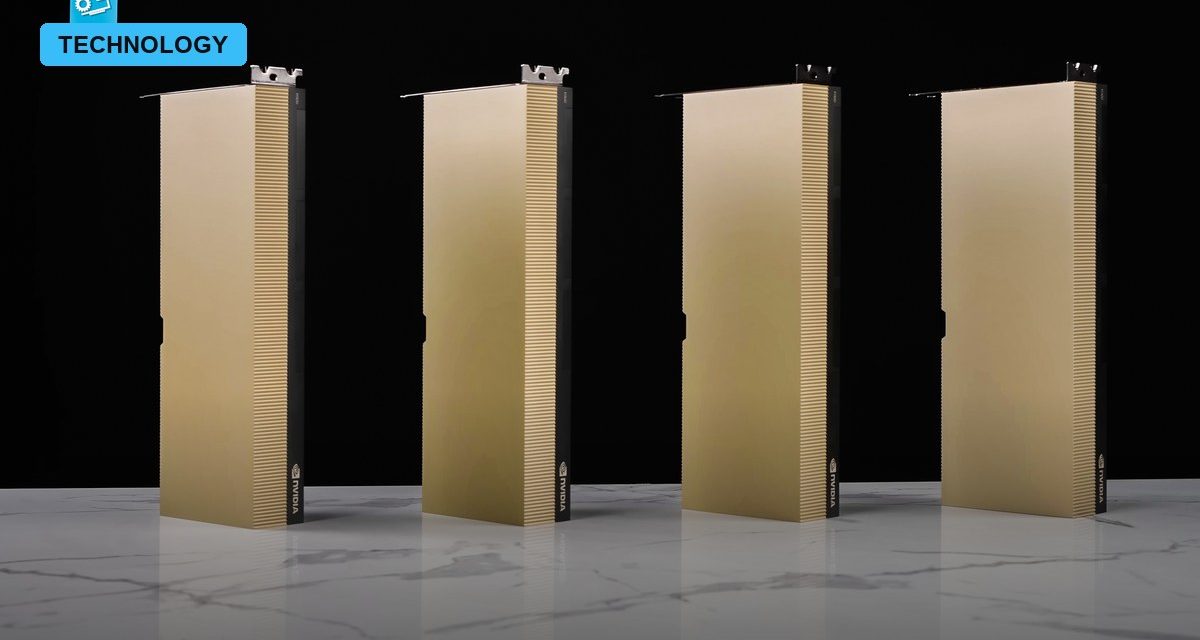
After a year of whiplash, Nvidia’s H200 accelerator is finally moving into China again, but on terms that would have been unthinkable in the free-trade era of chip sales. Under a framework approved by the Trump administration, Nvidia can resume shipments of the China-tailored H200 on the condition that 25% of the revenue from those sales flows to the U.S. government, according to reporting from Bloomberg and TechPowerUp. It is a strikingly novel arrangement: Washington is not just gatekeeping exports, it is taking a cut.
From ban to unban to tariff to license
The policy path that led here has been anything but linear. In the space of twelve months, the Trump administration banned the H200, unbanned it, slapped a 25% tariff on it, and then layered on a licensing framework that trade experts immediately called contradictory, according to analysis published by semiconductor policy trackers. The zigzagging reflects a deeper tension inside the administration: officials want to keep pressure on Beijing’s access to frontier compute, but they also do not want chip controls to blow up trade talks tied to President Trump’s planned visit to China.
How many chips, and to whom
The numbers attached to the new regime are notably modest relative to Chinese demand. TrendForce has reported that Beijing is likely to authorize fewer than 200,000 H200 units in total, less than half of what Chinese buyers requested earlier this year. Under the U.S. side of the license structure, each approved customer can procure up to 75,000 H200 chips, either directly from Nvidia or through cleared distributors such as Lenovo and Foxconn. The U.S. Commerce Department has already granted licenses to roughly ten Chinese companies, including Alibaba, Tencent, ByteDance and JD.com.
Nvidia’s shrinking China franchise
The scale of the concession says a lot about how much ground Nvidia has already lost. The company once commanded over 90% of China’s AI chip market; that share has fallen to roughly 50% as of early 2026, as domestic alternatives from Huawei and others have filled the gap left by years of restricted access. Jensen Huang has argued publicly and repeatedly that cutting Nvidia out of China only accelerates the rise of homegrown Chinese competitors, a point he has made to lawmakers and at industry events.
Hawks in Congress push back
Not everyone in Washington is comfortable with the compromise. In February, a bipartisan group of eight lawmakers sent a letter to Commerce Secretary Howard Lutnick and Secretary of State Marco Rubio demanding a blanket ban on semiconductor manufacturing equipment exports to all of China, not just blacklisted entities. Their argument is that any resumption of advanced chip flows, even with revenue-sharing attached, undercuts the strategic rationale for controls in the first place: slowing China’s military and AI buildup. Critics on this side see the 25% revenue share as Washington effectively monetizing a national-security loophole rather than closing it.
Industry’s counter-argument
Nvidia and much of the semiconductor industry see it differently. Their argument is that a total lockout simply hands the entire Chinese AI infrastructure market to domestic suppliers, permanently, while doing little to slow China’s actual AI progress since restricted chips get replaced by less efficient but still workable homegrown parts. From this vantage, a capped, licensed, revenue-shared channel is the least-bad option: it preserves some U.S. commercial presence and intelligence visibility into Chinese buying patterns while still constraining absolute chip volumes well below what Beijing wants.
What’s next
The Commerce Department appears set to lean toward intensifying enforcement of existing rules rather than writing new ones, a path that lets officials show toughness to Congress without reopening trade negotiations or provoking Beijing, according to policy analysts tracking BIS activity. Watch for how quickly the first H200 shipments actually clear customs, whether the 200,000-unit ceiling holds as demand from Chinese AI labs keeps rising, and whether the revenue-sharing model becomes a template Washington reaches for with other export-controlled technologies. For Nvidia, every chip that ships under this deal is a chip Huawei doesn’t get to sell instead — but the smaller the cap, the smaller that consolation prize becomes.
Analysts covering the export-control fight say the next flashpoint will be whether the 25% revenue-share structure survives a change in administration or a shift in the broader U.S.-China trade relationship, since it has no clear precedent in prior chip policy and exists largely as an improvised compromise between competing factions inside the U.S. government. If it holds, other chipmakers facing similar restrictions could push for comparable arrangements rather than outright bans, reshaping how Washington regulates strategic technology exports well beyond semiconductors.