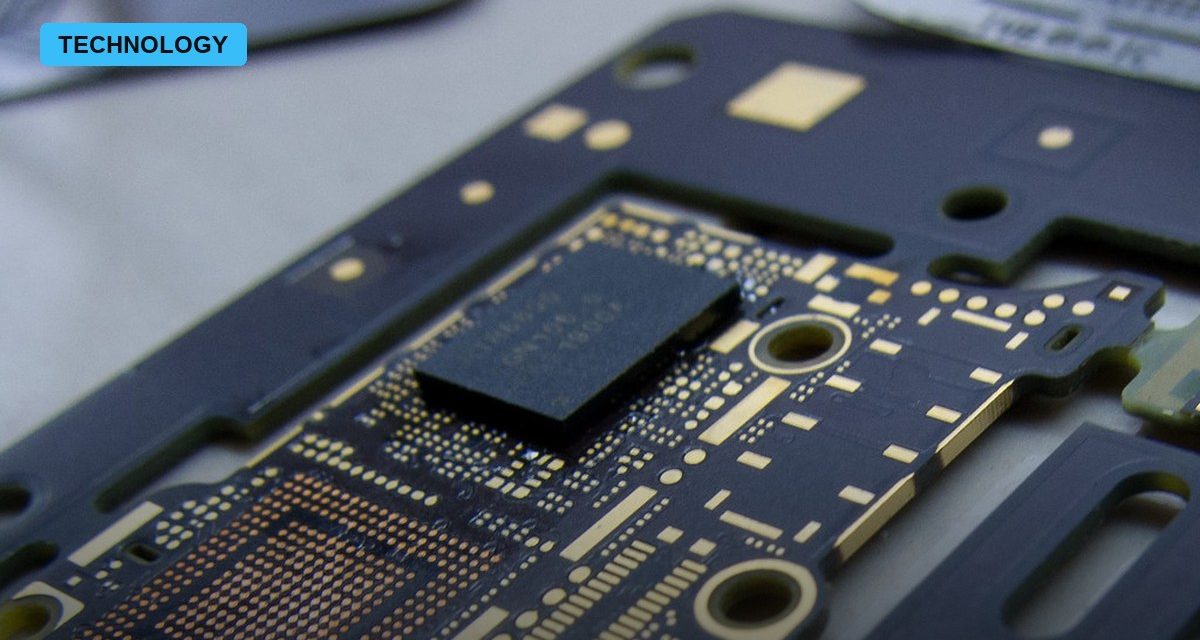
The AI boom is straining even the world’s most advanced factories. Google is reportedly in talks with Samsung to manufacture part of its next-generation AI processor, as demand overwhelms the capacity of TSMC, the dominant chipmaker. The discussions are a striking signal: advanced chip production has become such a bottleneck that even tech’s giants must spread their orders to keep up.
The Icefish chip
Google’s silicon ambitions are growing. The processor in question, reportedly codenamed Icefish, is Google’s 10th-generation Tensor Processing Unit — custom silicon built to run its AI workloads. TSMC would still handle the main computing engine on its cutting-edge 1.4-nanometer process, with Samsung potentially taking on part of the production to ease the strain.
The capacity crunch
Demand has outrun supply. TSMC’s most advanced nodes are in such fierce demand for AI chips that capacity is constrained, forcing even major customers to look elsewhere for some manufacturing. Google’s outreach to Samsung reflects a market where the ability to actually fabricate cutting-edge chips, not just design them, has become a critical constraint.
Samsung’s opening
The crunch is Samsung’s opportunity. Long the runner-up in advanced foundry work, Samsung has been winning major contracts — including large deals to produce chips for Tesla and Nvidia — as customers seek alternatives to TSMC. A partnership with Google would further validate Samsung’s foundry push and its bid to close the gap with the industry leader.
Why it matters
Chips are the foundation of AI. The ability to manufacture advanced processors at scale determines how fast the AI buildout can proceed, and bottlenecks ripple across the entire industry. Google diversifying its supply underscores both the insatiable demand for AI compute and the strategic importance of securing manufacturing capacity wherever it can be found.
The bigger picture
Concentration is a risk. The world’s reliance on a handful of advanced foundries — TSMC above all — creates fragility, and the scramble for capacity highlights the value of diversification. Spreading production across multiple manufacturers reduces dependence on any single supplier, a lesson the AI era is teaching the industry in real time.
The bottom line
Google’s talks with Samsung to help build its Icefish AI chip, amid a TSMC capacity crunch, reveal just how strained advanced chipmaking has become under AI demand. The move hands Samsung an opening, eases Google’s supply risk, and underscores that manufacturing capacity is now a defining constraint in the race for AI. In the chip wars, who can build — not just design — is increasingly the question.