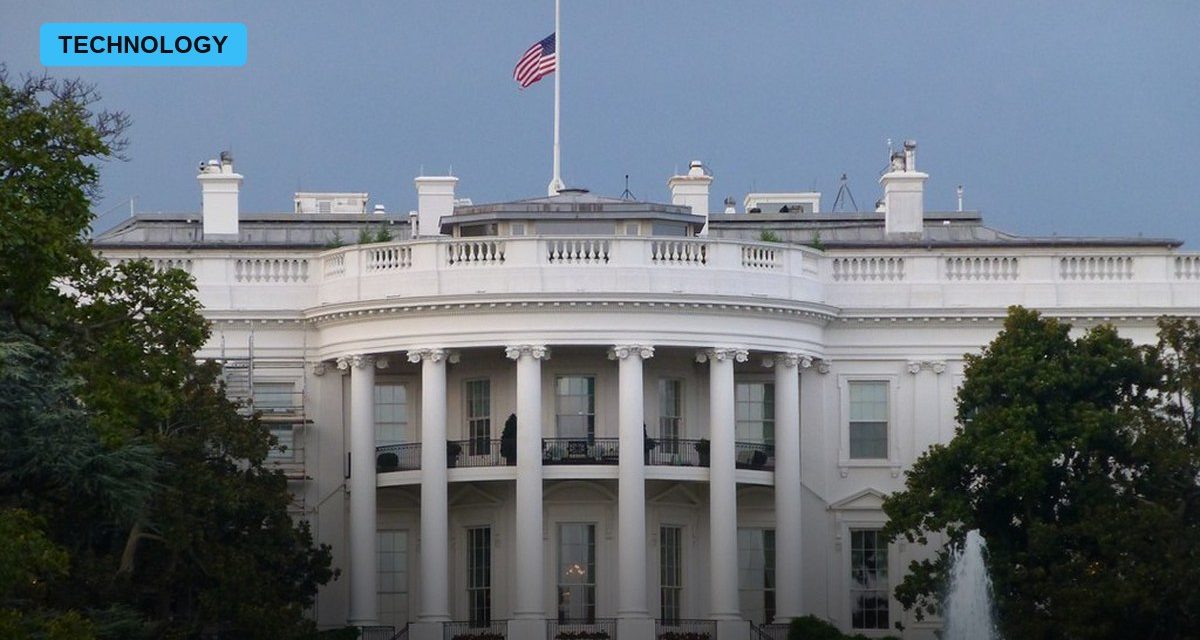
The White House has redrawn America’s AI rulebook around national security. On June 2, President Trump signed an executive order titled ‘Promoting Advanced Artificial Intelligence Innovation and Security,’ asking AI companies to voluntarily submit their most powerful models for government testing before release — and reorienting federal policy toward the cyber risks posed by frontier AI.
What the order does
The order’s centerpiece is a pre-release review. It asks AI developers to voluntarily hand over their most capable models for government evaluation up to 30 days before public launch, giving federal experts a window to probe for dangerous capabilities. It also directs agencies to develop benchmarks measuring AI models’ cyber capabilities and to create an ‘AI cybersecurity clearinghouse’ to coordinate threat information.
Voluntary, not mandatory
The key word is voluntary. Rather than imposing binding pre-release approval, the order invites cooperation — a lighter-touch approach that aims to avoid stifling innovation while still giving the government visibility into frontier systems. Critics argue voluntary review lacks teeth and depends on labs’ goodwill; supporters say it balances oversight against the risk of heavy regulation pushing development overseas.
The national-security pivot
The order marks a clear shift in emphasis. Where earlier AI policy debates centered on bias, transparency and consumer harms, this order foregrounds national security and cybersecurity — treating advanced AI as a strategic asset and a potential weapon. The focus on cyber capabilities reflects fears that powerful models could supercharge hacking, vulnerability discovery and attacks on critical infrastructure.
Innovation and leadership
The framing is competitive. The administration cast the order as a way to maintain US global leadership in AI while managing risks, signaling that Washington views the technology as central to economic and geopolitical power. The light regulatory touch is meant to keep American labs ahead of international rivals, particularly China, even as it builds new testing and threat-sharing machinery.
Why it matters
The order shapes how the world’s most powerful AI gets built and released. Pre-release government testing — even voluntary — could become a de facto norm, influencing labs’ timelines and safety practices. The cyber-benchmark and clearinghouse provisions lay groundwork for treating AI as critical infrastructure. And the voluntary model sets the tone for whether US AI governance leans toward cooperation or eventual mandates.
The open questions
Much remains unsettled. Will major labs actually submit their models, and what happens if they decline? How will the government test systems without slowing release or exposing trade secrets? And does a voluntary framework adequately address the very national-security risks it identifies? The order sets a direction, but its real impact hinges on implementation and industry buy-in.
The bottom line
Trump’s AI executive order pivots US policy toward national security, asking labs to voluntarily submit frontier models for testing and building new cyber-defense machinery. It is a consequential, lighter-touch attempt to balance innovation with safety — and its success will depend entirely on whether the industry chooses to play along.
Photo: paularps / BY via flickr