The defining tension of Big Tech in 2026 is laid bare in two numbers. The four largest cloud giants — Amazon, Microsoft, Alphabet and Meta — plan to spend roughly $725 billion on capital projects this year, overwhelmingly on AI infrastructure. At the same time, tech layoffs have topped 180,000. The juxtaposition raises a hard question: is the AI splurge being funded, in part, by cutting the workforce?
The staggering capex
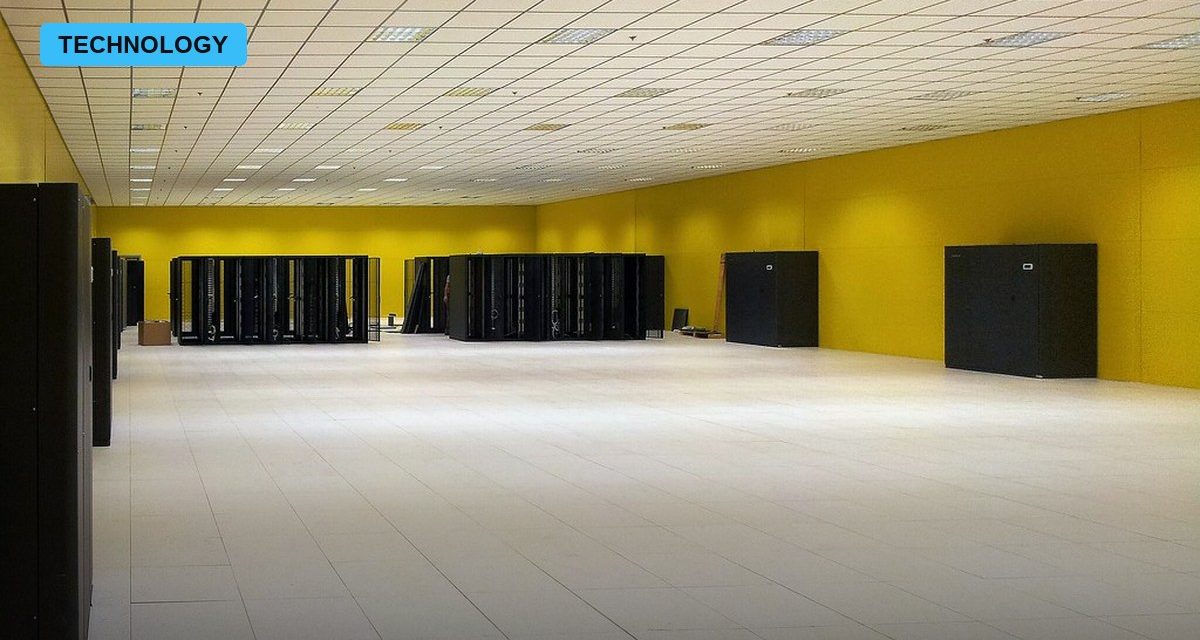
The spending is unprecedented. Amazon has committed around $200 billion, Microsoft’s 2026 capex sits near $190 billion, and Meta raised its guidance to as much as $145 billion — roughly $370 million a day on data-center construction. The four firms together are pouring three-quarters of a trillion dollars into the chips, servers and facilities that power AI.
The layoffs
The job cuts are just as striking. By mid-June, 2026 had seen hundreds of layoff events affecting more than 180,000 workers, with Meta executing thousands of cuts and signaling deeper reductions, and Amazon trimming roles across AWS, Twitch and advertising. The pattern suggests a reallocation: money and headcount flowing toward AI, away from other functions.
The trade-off question
Critics see a direct line. As companies funnel enormous sums into AI infrastructure, they are simultaneously shrinking workforces — fueling the perception that human jobs are being traded for compute. Executives frame it as efficiency and focus, but the optics of record spending alongside mass layoffs are difficult, and they sharpen anxieties about AI’s impact on employment.
The bet behind the spend
The capex reflects conviction. Big Tech is wagering that AI will define the next era of computing, and that owning the infrastructure — the data centers, chips and cloud capacity — is essential to leading it. That belief justifies spending that would be reckless in almost any other context, betting that the returns will eventually dwarf the outlays.
The risks
The strategy is not without peril. If AI demand fails to match the investment, the spending could weigh heavily on margins and invite a reckoning. The layoffs, meanwhile, carry reputational and morale costs. And concentrating so much capital among four firms raises questions about competition and the broader health of the tech labor market.
The bottom line
Big Tech’s $725 billion AI infrastructure splurge, set against 180,000-plus layoffs, captures the central trade-off of the moment: vast bets on AI’s future alongside painful cuts in the present. Whether the spending pays off — and whether the job losses prove a temporary reallocation or a lasting shift — will shape not just these companies, but the future of tech work itself.