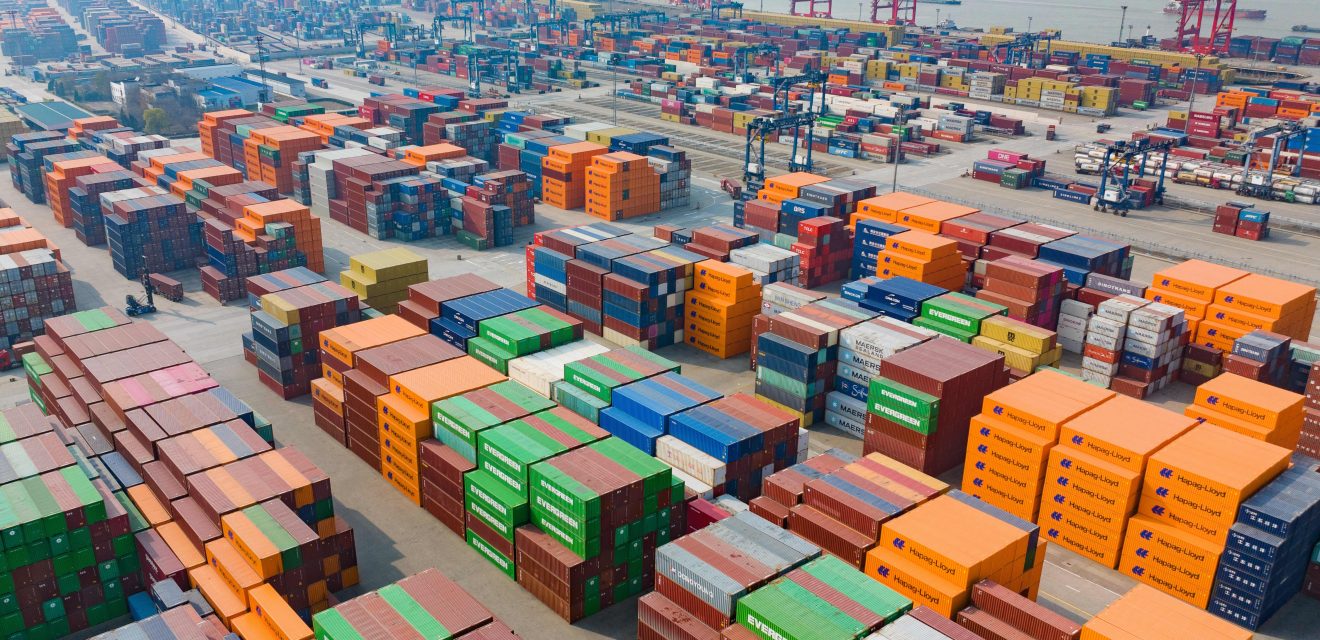
Washington — A new round of tariffs from President Trump took effect Friday on goods from more than 80 countries, a sweep broad enough to touch virtually every import into the United States.
The new levies replace an earlier tariff regime — the one Trump had dubbed “Liberation Day” tariffs — that the Supreme Court struck down earlier this year. This time, the administration is relying on a different legal justification: officials say the new tariffs specifically target countries whose exports involve forced labor. Trump defended the approach, describing the new levies as standard and saying the administration has “many forms of tariffs” available to it even after the court setback.
That forced-labor rationale has drawn sharp pushback from several U.S. trading partners and allies, who call the justification unfounded and see it as a workaround for tariff authority the courts had already rejected. U.S. Trade Representative Jamieson Greer told Congress this week that while the legal authority behind the tariffs has changed, the administration’s underlying trade strategy has not.
The rollout came alongside a separate, harder-edged move against Canada: Trump has announced new 50% tariffs on a range of Canadian products, set to take effect in mid-August, which the administration says are a response to unfair treatment of American goods. Combined with tariffs already in place on Canadian steel, aluminum, cars and auto parts, the new levies affect an estimated $20 billion in trade between the two countries.
Chrystia Freeland, Canada’s former deputy prime minister and finance minister, called the escalation a low point in the U.S.-Canada relationship, arguing that Washington is treating a longtime ally more harshly than some of its rivals. She and other critics argue the tariffs function as a tax on American consumers and are contributing to inflation that remains elevated in the U.S. economy.
The administration has not detailed how long the new tariffs are expected to remain in place or whether further exemptions might be negotiated on a country-by-country basis. For now, businesses that import from the affected countries are absorbing a second major shift in U.S. trade policy this year, after months of legal uncertainty over the previous tariff structure.